

Beyond The Blog
Welcome to our blog! Here, you’ll find helpful, practical insights on parenting, child development, behavior analysis, autism spectrum disorder, and more. Whether you’re looking for guidance, support, or new ideas to try at home, we’re here to help.
Don’t see a topic you’re looking for? Let us know,we’d love to hear from you!

When You’re the One Who’s Down: Parenting Autism on the Hard Days
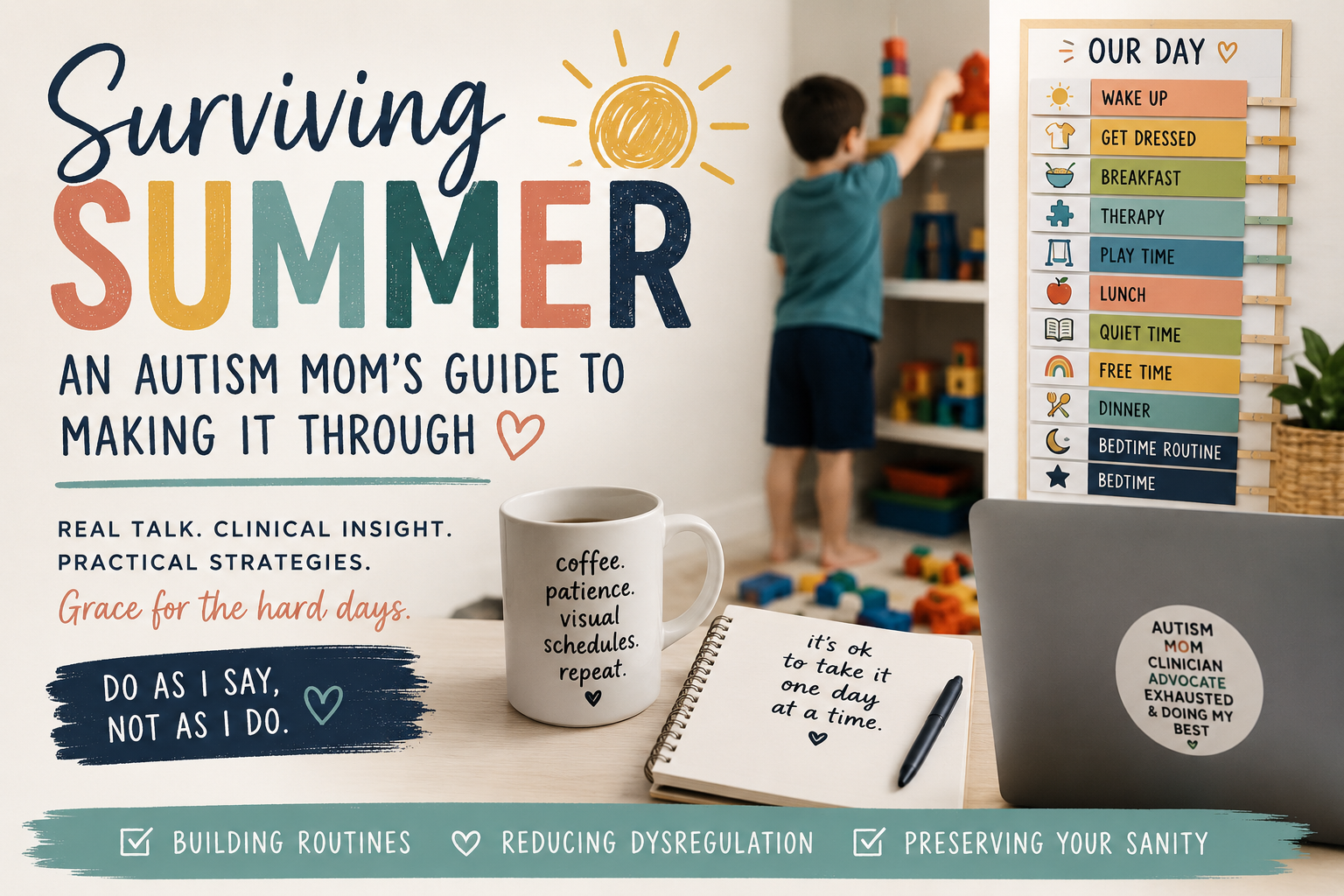
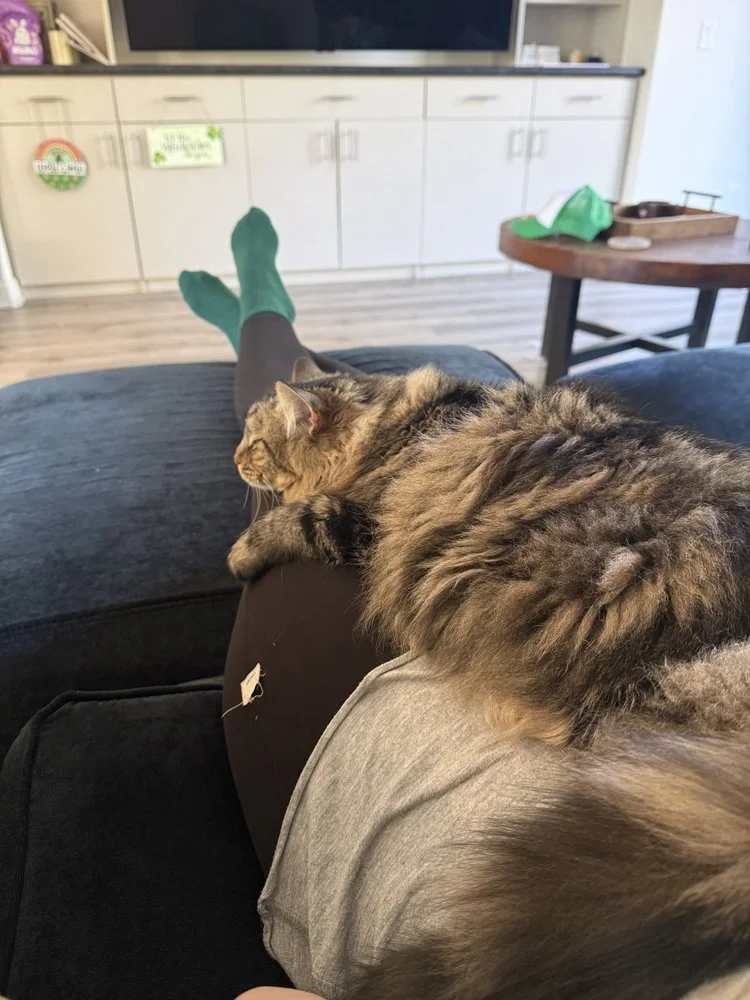
There’s an unspoken expectation that parents, especially parents of children with autism are always “on.” We are the planners, the regulators, the translators, the advocates, the ones who hold all the moving pieces together. Even on the hard days, we show up. Because we have to.
But what happens when we’re the ones who go down?
Please Don’t Call CPS, But I’ll Understand if You Do
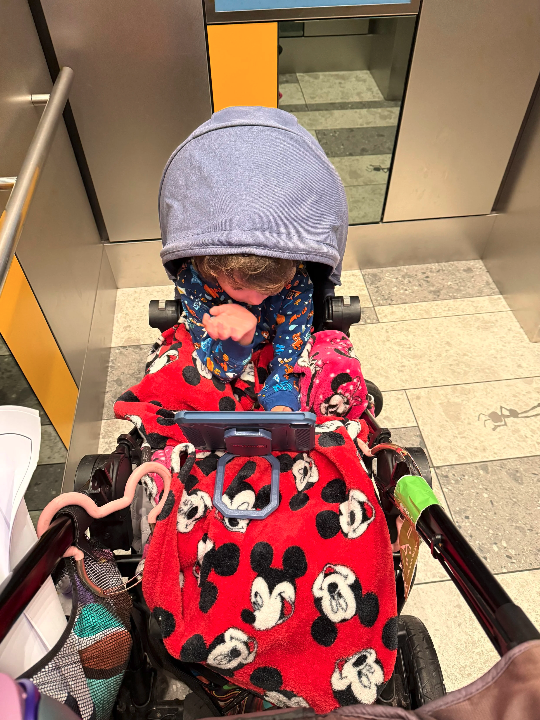
There are moments in parenting where you know, deep down, that what you’re doing is necessary, even if it looks questionable, uncomfortable, or downright alarming from the outside.
Compliance Is Not the Same as Learning
For a long time, success in therapy, and honestly, in parenting, has been measured by how well a child follows directions. Did they sit? Did they comply? Did they stop the behavior?
As both a clinician and a special needs parent, I understand why compliance became the stand-in for progress. It’s visible. It’s measurable. It often makes life feel calmer in the short term. When a child is quiet and “easy,” everyone breathes a little easier.
But here’s the truth many parents feel in their gut long before anyone validates it:
Compliance is not the same as learning.
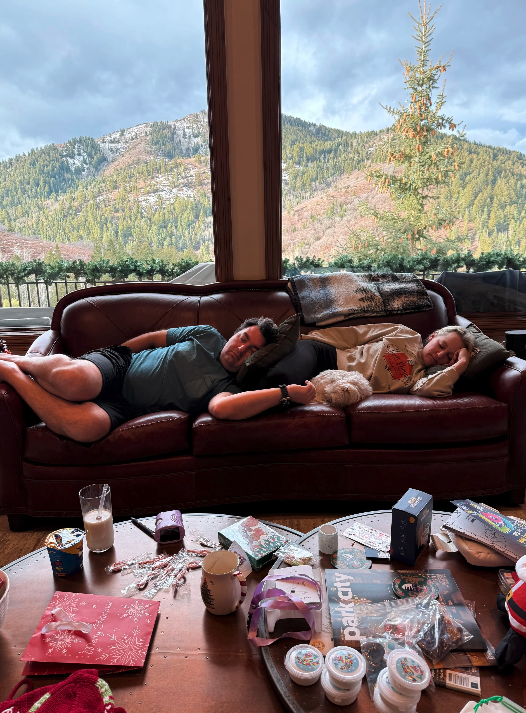
Burnout Is Real: From One Parent to Another
I’m not just a clinician.
I’m not just a BCBA.
And I’m not just someone who studies burnout from the outside. I’m also a parent of an autistic 8-year-old boy.
So when I talk about burnout, I’m not talking at you.
I’m talking with you—from the same boat.

How to Support Your Autistic Child on Halloween (and Still Have a Spooktacular Time)
Halloween can be a magical night. Costumes, candy, and community fun, but for many autistic children (and their parents), it can also feel like a social obstacle course with a sugar high. Between the costumes, noise, and unexpected social rules, the evening can quickly become exhausting and overwhelming. But with a little planning and practice, you and your child can have a night full of fun (and maybe a few peanut butter cups).
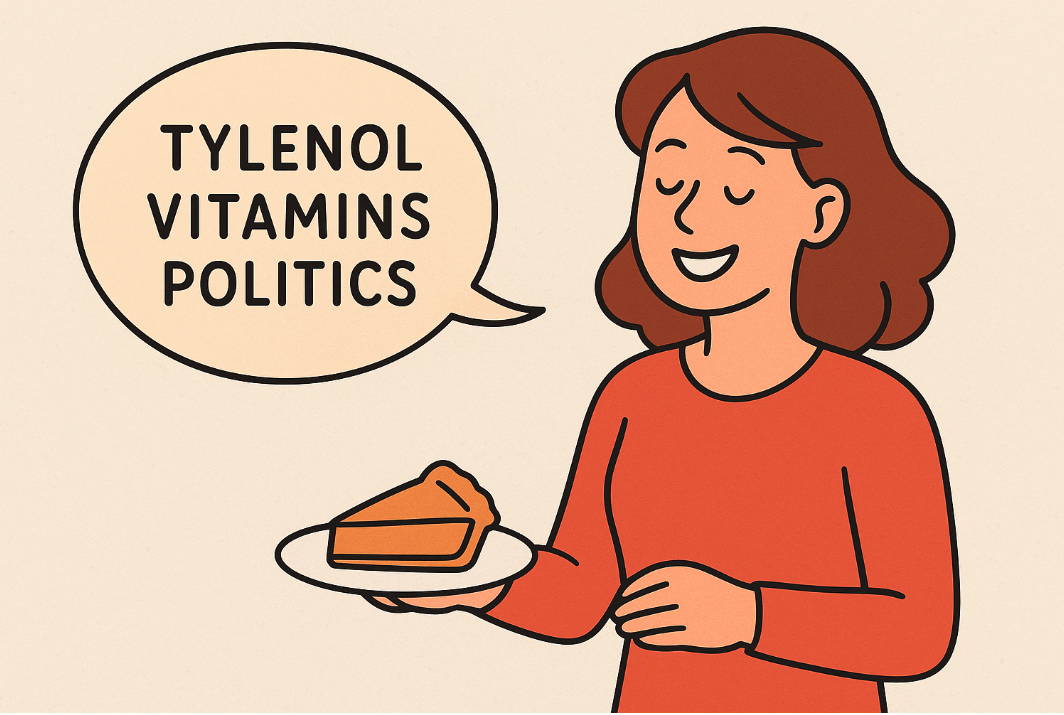
Surviving the Holidays When Your Family Has Been Lost to The News: An Autism Parent’s Guide for The Holiday Season
The holidays are hard enough without unsolicited science lessons. Here’s a guide for parents of children with autism on surviving family gatherings, Fox News relatives, and too much political commentary — with humor, grace, and sanity intact.
Pathological Demand Avoidance (PDA) in Autism: history, controversy, treatment approaches, and practical tips for parents
If you’ve come across the term pathological demand avoidance (PDA), you’re not alone — it’s a label that’s been doing a lot of quiet, steady traveling from clinics in the U.K. into conversations among clinicians, schools, and families in North America. For parents trying to make sense of baffling meltdown cycles, daily refusals, and behaviors that look like “defiance” but feel different, PDA can be a helpful way to understand what’s going on. Below I’ll explain what PDA typically looks like, where the idea came from, how treatment approaches (including adaptations of ABA) differ for PDA, and straightforward, practical strategies parents can use at home and at school.

You Did Not Cause Your Child’s Autism, and Other Things You Needed to Hear Today
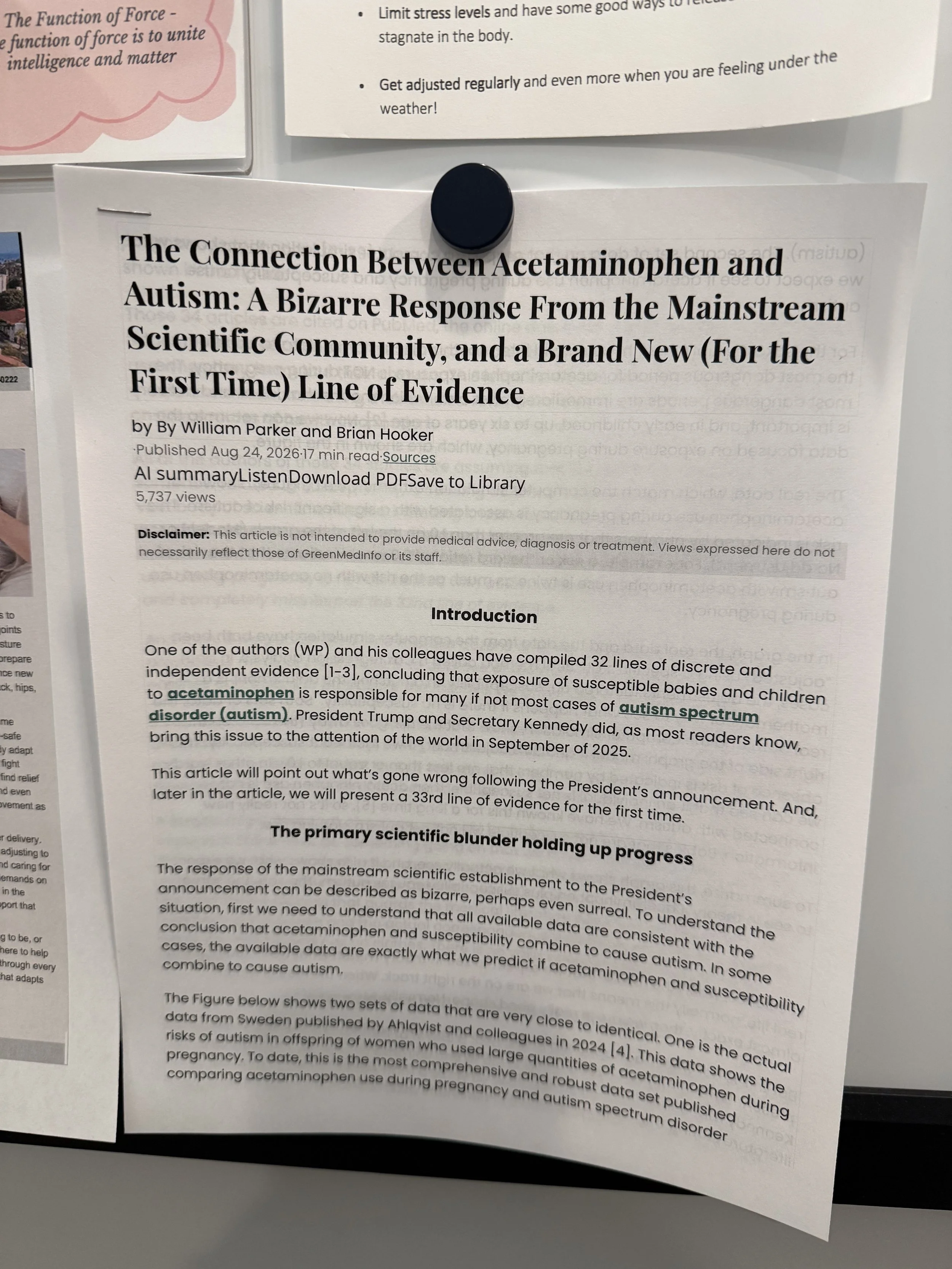
If you’re a parent of a child on the autism spectrum, chances are you’ve spent sleepless nights searching for answers. Maybe you’ve replayed pregnancy decisions in your head, questioned every vaccine appointment, or wondered if that one dose of Tylenol for a fever somehow changed the course of your child’s life. I want to say this as clearly and lovingly as possible: you did not cause your child’s autism.

Words Matter: The Danger of Calling Autism a “Tragedy”
In these same conversations, political leaders often promise to “find the cause” of autism, as if discovering a single explanation will eliminate the struggles families face. While research is valuable, an overemphasis on searching for a cause overlooks what families need most right now: access to reliable, affordable, and community-based supports.

Why You Can’t Sleep
If you’re a special needs mom , you probably don’t need anyone to tell you how important sleep is—you feel it in your bones every day. But what’s harder to explain is how sleep has become more of a memory than a reality. While the rest of the world assumes our kids will start “sleeping through the night” after the baby stage, many of us are still running on fumes—years later. Because when your child doesn’t sleep through the night—and hasn’t for years—your nights don’t feel restful, they feel like a second shift.

Unspoken Grief: Extended Mourning in Parenting Children with Disabilities
As the school year draws to a close, many of us find ourselves attending graduation ceremonies, concerts, recitals, and end-of-year parties. While these events are often joyful, they can also be particularly challenging for parents of children with disabilities.

Preparing for Emergencies: A Guide for Families in Southern California
This has been one of the most difficult weeks for people in southern California in recent memory. Los Angeles has been on fire in several locations for over a week now. As of the writing of this post, there are still 88,000 homes currently under evacuation orders. While we are safe here at the LBS headquarters, several of our staff and families have been directly affected by the fires, and many of our families are anxious as we enter fresh red-flag warnings in our area for the next few days.

Why Are You So Tired?
Let’s talk about some of the things most people don’t know, and most parents aren’t prepared for, that can come along with an autism diagnosis. We can start with the obvious:

‘Twas the Night Before School
Whether you are embarking on a school year similar to ours, or your kids are returning to the school they know and love, there are some things we can do for them today and over the coming weeks to help ease their transition back to the school environment.