

Beyond The Blog
Welcome to our blog! Here, you’ll find helpful, practical insights on parenting, child development, behavior analysis, autism spectrum disorder, and more. Whether you’re looking for guidance, support, or new ideas to try at home, we’re here to help.
Don’t see a topic you’re looking for? Let us know,we’d love to hear from you!

Functional Communication
Our ability to communicate with others is essential to our ability to function as humans. We communicate to get our needs met, to express our emotions, to gain someone’s attention, to get out of things we don’t want to do, the list goes on and on.

Continuity of Care
Continuity of care is a term that is used in the medical field, the school environment, as well as in applied behavior analysis. This term makes an appearance in all of our documents and reports that we write, and is constantly discussed among professionals, but what does it mean? Let’s talk about what it means for children with and without special needs.
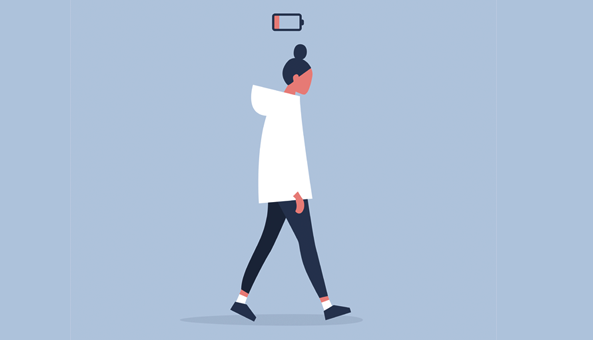
Parental Burnout
What is burnout? It is described as an emotional state and mental exhaustion as a result of prolonged stress. I don’t know about you, but that pretty accurately describes the last 18 months of my life.
Teaching Functional Skills
In the few days left before school starts, instead of making sure they know their letters and numbers and sight words, this is an excellent time to work on functional skills.

Waiting
Enter: waiting. Waiting is a social skill that needs to be taught and practiced in order to be improved. What can we expect out of our children when we ask them to wait? First, consider age and functioning level. The rule-of-thumb for time out is one minute per year of age, we shouldn’t expect our children to wait much longer than that without finding something else to occupy their time. This means your four-year-old shouldn’t be expected to wait for something for longer than 4 minutes.
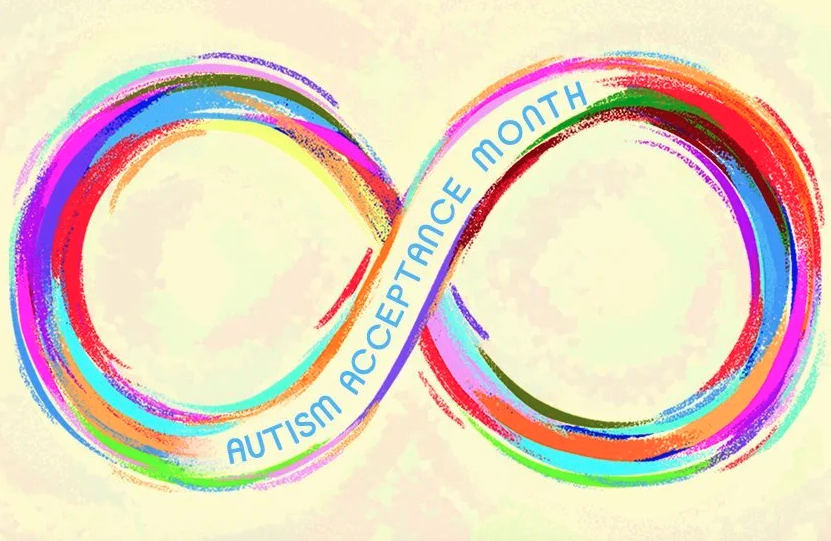
Autism Acceptance Month
What is the difference between awareness and acceptance? Awareness means you know it exists, you can identify it, you know something is happening, you cope with it or deal with it, or tolerate it. Acceptance means you connect personally and learn more, you talk to people and gain understanding, compassion and sensitivity. It means you offer help and support without judgement; you embrace it, grow from it, and build relationships with someone who has it.
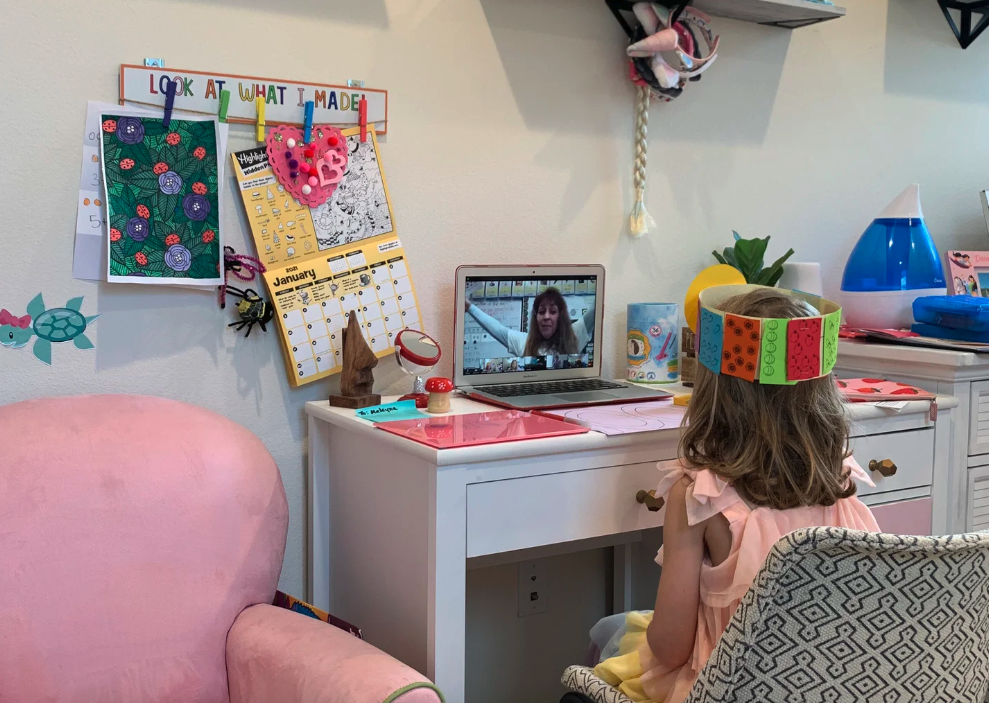
100 Days of Zoom
I can’t help but feel a sense of mourning. What a grim milestone (yet another one). This is 100 days of meeting via zoom. 100 days she hasn’t been able to set foot in a classroom. 100 days and she’s yet to meet her teacher or classmates in person. This is my daughter’s first year of “big kid” school. The magical kindergarten year where kids are introduced to the wonder that is school, paving the way for a lifetime love of learning, or at least we hope.
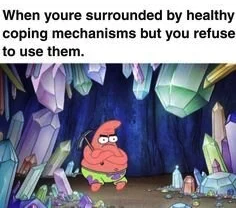
How are you coping?
What is coping? To “cope” is to invest your efforts into solving personal and interpersonal problems, in order to master, minimize, or tolerate stress and conflict (Thanks Wikipedia). Coping strategies are the tool belt that we keep certain skills in to help us achieve that homeostasis during stressful times. Hello stressful time

Mask Wearing 101
Tolerating a mask for extended periods of time is (hopefully) a short-term skill but is an essential skill for us to access aspects of a “normal” life. It has become a part of our lives and doesn’t look like it’s going away any time soon.

How We Are Failing Special Needs Kids During COVID-19
5 months ago, the Governor of California placed a stay-at-home order for the state.

How To Keep Your Kids Safe Online
With the internet being even more present in our lives than ever, this post is going to focus on how to make sure our kids are being safe when they are accessing the internet. This may not be the most fun post I’ve ever written, and at points it may be uncomfortable to think about these things, but it’s imperative that we keep these risks in mind and explicitly address them with our children to keep them safe.
Increasing Your Child's Independence
Independence is a vital skill that may need some explicit teaching now that our kids are at home with us and will likely be home with us 5 out of the 7 days of the week when schools are back in session, depending on where you live.
Healthy Sleep Habits
Have your kids been getting up earlier and earlier? You’ve come to the right place. Today we’re going to go over healthy sleep habits and the “Ok to wake” products on the market, and how to use them effectively. Just in time for mother’s day!

The Social Isolation of a Special Needs Parent
Social distancing has become a common phrase for people around the globe in the last few months. We have been told to keep a distance from those around us, to stay at home, and to maintain any social contacts from afar. For parents of special needs children, this poses a few challenges (therapies have been put on hold or look very different as they are conducted through a computer screen), but for the most part, many parents are looking around and welcoming the rest of us into their everyday reality.

Dealing With Complex Emotions
In an effort to support you in any way that I can, this post is going to focus on how to talk about emotions, and how to teach your children to communicate some of the very big, very complicated emotions we are feeling right now.
Losing Your Marbles? Me Too.
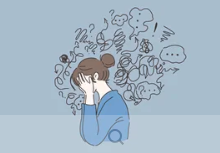
My last post focused on how we can help our kids during this school shut down that we’re currently enduring. This post will focus a bit more on your own self care.
Help! My Child's School is Closed!
So far 2020 has been fun, right? Parents across the country are preparing to be home with their children for an unknown amount of time. This is an absolutely terrifying prospect for parents of typically developing children, that feeling is compounded for parents of special-needs children. I

A sibling with a purpose: what it means for your child who has special needs and what that means for their siblings.
Previous blog posts have focused on what to do with your child with behavioral issues, or with special needs. Admittedly, there has been a gap in support for their siblings. Research has shown that siblings of children with special needs have particular challenges and particular psychological needs. Some of the best behavioral therapists and behavior analysts that I have worked with entered this field because they had a sibling with autism or special needs. That is pretty telling. Siblings are powerful. Siblings are resourceful. Siblings are essential.

Token Economy Systems
I have written about the Token Economy System and how it can be a game-changer when implemented correctly and used as a method to provide reinforcement to children, both with and without developmental disabilities. Token systems are a huge part of my “ABA Toolkit” and they are typically what I reach for first when parents ask me for a quick and easy way to improve behavior.
I'm worried about my child's development
As parents it’s a given that we will worry about how our child is developing at some point. In fact, there’s a term for the specific anxiety parents feel when watching their child meet, or not meet, developmental milestones